Generator Installers
in Milwaukee, WI

Serving Southeastern Wisconsin from our locations in New Berlin and Jackson since 1997
Our Generator Services in Milwaukee, WI
A power outage can shut down your heat, sump pump, refrigerator, lights, and other systmes you count on every day. A properly sized standby generator keeps the circuits you choose running until utility power returns. Mr. Holland’s installs and service generators throughout Milwaukee and Southeastern Wisconsin. We look at your electrical demand, fuel source, panel, and the equipment you want to keep running before recommending a system.
Generator Installation
Our generator intsallers handle the electrical connections, transfer switch, site setup, and final testing for your new standby generator. We size the system around your actual power needs so you aren’t left with too little capacity or paying for equipment you don’t need.
Generator Replacement
Standby generators can become unreliable as they age, especially when repair needs and discontinued parts start to add up. We can inspect the existing generator, transfer switch, fuel connection, and wiring before recommending replacement. When possible, we’ll determine which parts of the current setup can work with the new equipment.
Generator Repair
Call Mr. Holland’s if your generator won’t start, displays a warning code, runs evenly, or fails to transfer power during an outage. Our technicians troubleshoot Generac home standby generators and explain what needs to be repaired before completing the work.
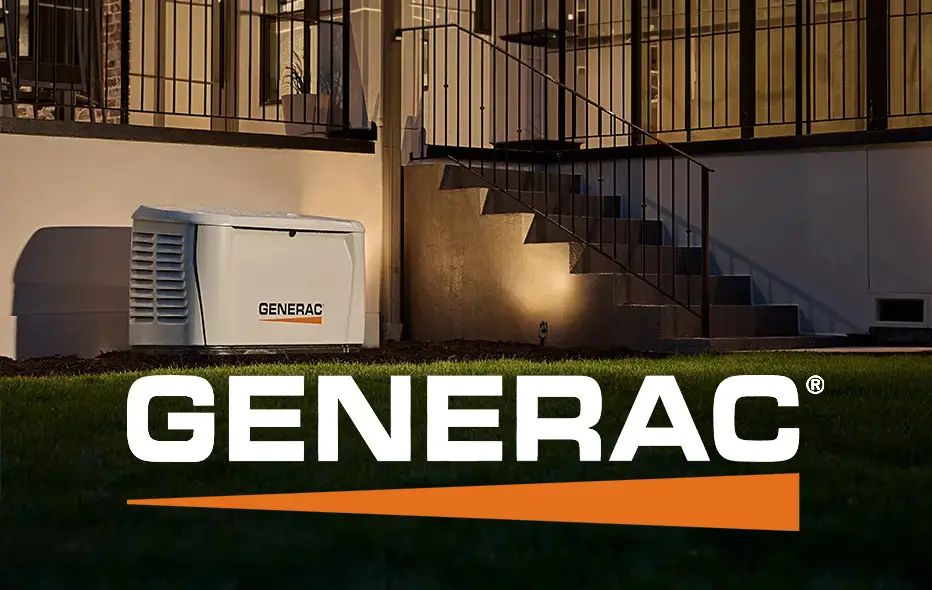
We Install Generac Generators in Milwaukee
Generac standby generators monitor utility power and start automatically when an outage occurs. An automatic transfer switch moves selected circuits or the whole home onto generator power, then returns them to utility service when the outage ends. Depending on the model and installation, the generator can run on natural gas or propane. Compatible Generac systems also work with Mobile Link technology, which lets homeowners check generator status and generator maintenance information remotely, making it easier to catch a fault or service reminder before the next outage.
Mr. Holland’s is a Generac Power Pro Premier Dealer, the highest dealer status offered by Generac. Our factory-trained technicians install and support Generac systems for homes and businesses throughout the Milwaukee area.
Types of Backup Generators
Homeowners usually compare backup generators by how they start, how much of the home they power, and which fuel they use. Categories can overlap, so a whole-home standby generator may also be an automatic natural gas or propane system.
Automatic Standby Generators
An automatic standby generator remains permanently installed outside the building. It detects a utility outage, starts on its own, and supplies power through a transfer switch. The system can work even when no one is home.
Essential-Circuit Standby Generators
An essential-circuit system powers a selected group of important loads instead of the entire electrical panel. Homeowners commonly prioritize the furnace, sump pump, refrigerator, freezer, lights, garage door, and several outlets. This setup can provide practical outage protection with a smaller generator.
Whole-Home Standby Generators
A whole-home generator is sized to operate most or all of the circuits in the house. It may support heating and cooling equipment, kitchen appliances, water systems, laundry equipment, lighting, and electronics. The exact coverage depends on the home’s electrical load and whether high-demand equipment must run at the same time.
Natural Gas Generators
A natural gas standby generator connects to the property’s existing gas service. It doesn’t require the homeowner to refill a fuel tank during a long outage, provided natural gas service remains available. The gas line must be checked to confirm that it can supply the generator and other connected appliances.
Propane Generators
Propane generators store fuel in a tank on the property, making them an option for homes without natural gas service. Tank size, generator demand, and expected outage length all affect how long the system can run. Homeowners should monitor the available fuel and arrange refills as needed.
What Kind of Generator Do I Need for My Home?
The right generator depends on what you want to keep running, not square footage alone. Heating and cooling equipment, well pumps, sump pumps, electric water heaters, cooking appliances, and other motor-driven equipment can have substantial starting demands. Mr. Holland’s will complete a load assessment before recommending a generator size.
Generator
Ave. Power Output
Typical Load Coverage
Small Standby Generator
10 kW
Furnace, sump pump, refrigerator, essential lighting, and selected outlets
Essential Backup Generator
14 kW
Essential systems plus additional lighting, kitchen circuits, and a small HVAC load when properly managed
Whole-Home Standby Generator
18-22 kW
Many or most household circuits, including HVAC and major appliances, depending on electrical demand
High-Capacity Residential Generator
24-28 kW
Larger homes, multiple major appliances, and higher-demand comfort systems with less load management